
Impact
Funded Since: 2014 | Total Funding: $245,000
Funding Sources: National Science Foundation, Family Process Institute, South Africa Educational Grant, Patient-Centered Outcomes Research Institute

Outcomes
The lab’s research has established skin tone as an important factor in family processes, romantic relationships, sexual health, psychological well-being, and physical health. Findings demonstrate that skin tone can shape parenting and racial socialization among adolescents and young adults. The research also shows that skin tone and complexion-related experiences influence marital attitudes, relationship quality, sexual-health risks, and exposure to discrimination. Most recently, the lab documented a biological pathway through which darker skin tone was associated with greater discrimination, altered daily cortisol patterns, and poorer physical health over time.
The program has introduced influential frameworks, including skin-tone trauma, and has expanded understanding of colorism across the United States and global contexts. Current and emerging research on skin health, skincare behaviors, and skin-modifying products and technologies will inform family and relationship practice, prevention, health promotion, and patient-centered dermatologic care.
Research Purpose
The purpose of the Skin Tone, Health, and Relationships Lab is to advance interdisciplinary research on how skin tone and complexion-related experiences influence individual health, well-being, and close relationships. Current projects examine colorism within parent-child and romantic relationships, partner selection, body image, and behaviors intended to lighten, darken, or maintain skin tone.
The lab also investigates how social experiences, health beliefs, and emerging products and technologies shape skincare practices, preventive behaviors, and dermatologic outcomes. Through research conducted in the United States, South Africa, and Kenya, the lab seeks to generate knowledge that informs family and relationship practice, health promotion, prevention, and patient-centered care.
More Information
Graduate students are active members of the lab community, engaging in research, mentorship, and professional development while contributing to ongoing projects.
Graduate Student: Jessica Marmolejos
Researcher
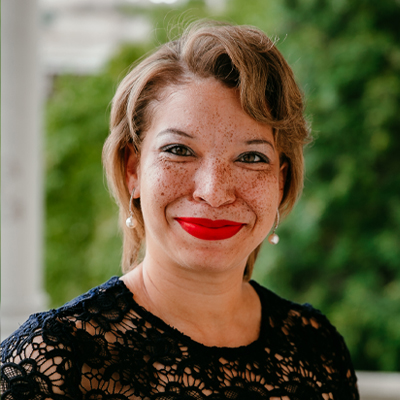
Dr. Antoinette Landor
Q160 1400 Rock Quarry Road Columbia, MO 65211
Explore Related Labs, Programs, and Services
Learn more about our Strengthening Relationships and Families Labs, programs, and services by clicking the button below.